How to Create Strong Passwords Without Forgetting Them
Strong passwords work best when they are long, unique, and stored somewhere reliable instead of memorized one by one.
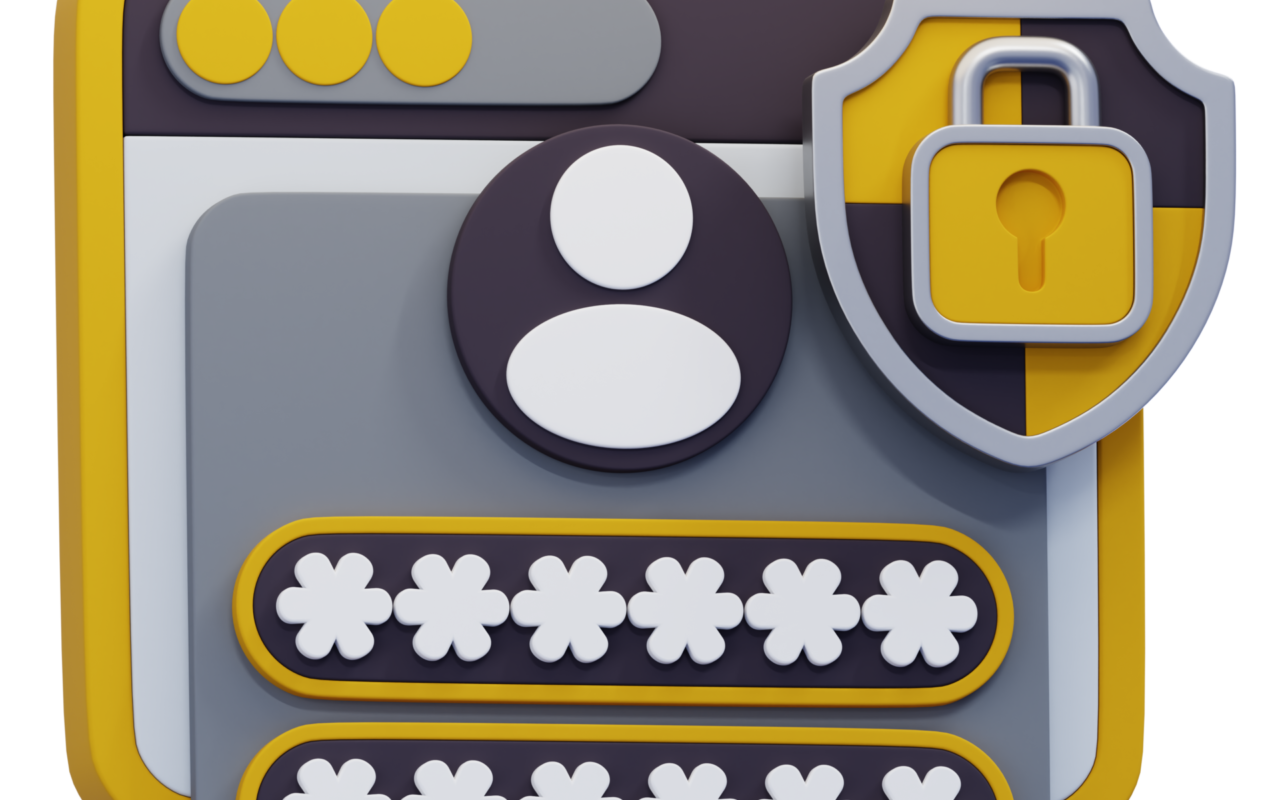
Strong passwords work best when they are long, unique, and stored somewhere reliable instead of memorized one by one.
This article is written for everyday people who want practical protection without turning security into a full-time job. The goal is not fear. The goal is to make the next security step clear, realistic, and easier to repeat.
Why This Matters
Password reuse turns one leak into many account risks. A longer unique password, saved in a password manager, gives each account its own boundary and reduces the damage if one service is breached.
Practical Steps to Take
- Use a password manager to generate and store long passwords.
- Make every important account unique, especially email, banking, cloud storage, and social media.
- Use passphrases only when you must memorize something, such as a password manager master password.
- Check saved passwords for reused or exposed entries.
- Turn on MFA for accounts that protect money, identity, email, or files.
- Save backup codes in a secure place before you need them.
Common Mistakes to Avoid
- Waiting until an account is already compromised before reviewing passwords and recovery settings.
- Using the same password across email, banking, shopping, work, and social accounts.
- Trusting urgent messages without checking the sender, URL, or request through a known official channel.
- Ignoring software updates, old apps, unused browser extensions, and forgotten connected accounts.
A Simple Action Plan
Start with one important account, usually your email account. Update the password, turn on multi-factor authentication, check recovery options, sign out of unknown sessions, and save backup codes somewhere safe. Then repeat the same process for banking, cloud storage, social media, and any account that stores payment or identity information.
Related WrightsMind Resources
For hands-on support, review the Online Security service page or use the related articles below to keep building safer habits.
- Online Security guidance from Chris
- Why Reusing Passwords Puts Every Account at Risk
- A Simple Data Breach Cleanup Checklist
Need help reviewing your online security?
Frequently Asked Questions
Is this something I can do myself?
Yes. Most of these steps are designed for everyday account owners. If you feel stuck, you can ask Chris for practical help reviewing the setup.
What should I secure first?
Start with your email account, password manager, banking, cloud storage, and main social accounts because they affect recovery and identity.
Where can I get help?
Use the Online Security page or contact Chris through WrightsMind for a practical account and safety review.
Need help with this?
If this article brought up a question or you want practical help applying it, send me a quick note.