

Articles
How to Create Goals That Do Not Fall Apart in Real Life
Good goals need a clear reason, a realistic path, and a way to survive imperfect days.
Good goals need a clear reason, a realistic path, and a way to survive imperfect days.
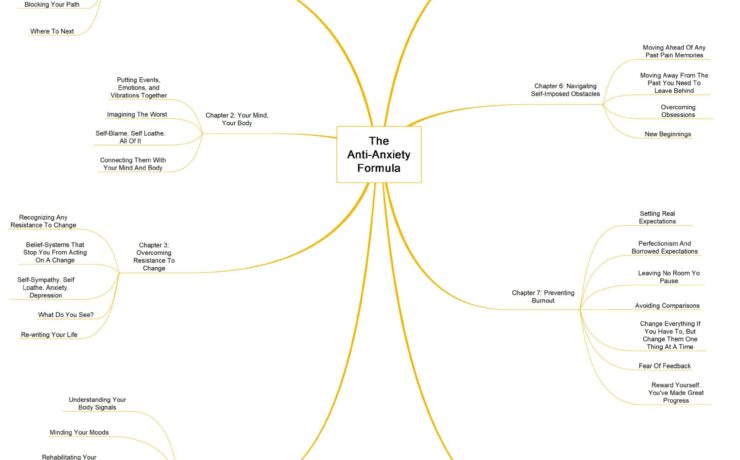
Anxiety tools are most useful when they are simple enough to use before things feel overwhelming.
Focus is easier to rebuild when you change the environment before blaming yourself.

Resilience is not pretending everything is fine. It is building ways to keep going when things are not.

Mindfulness can be as simple as noticing what is happening before you react.
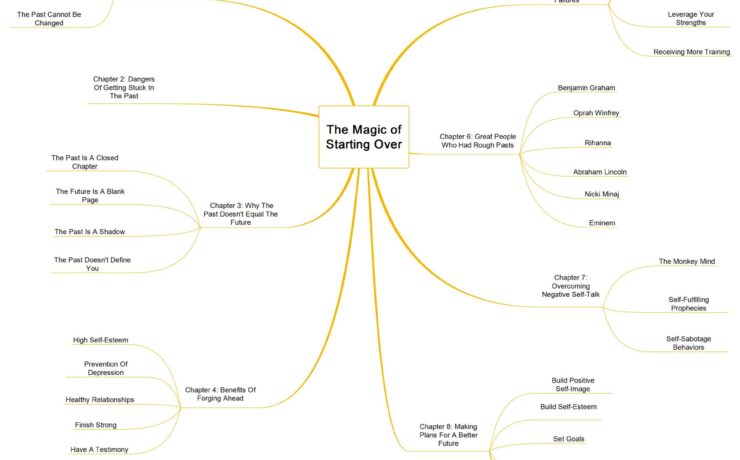
Starting over works better when it begins with honesty instead of self-punishment.
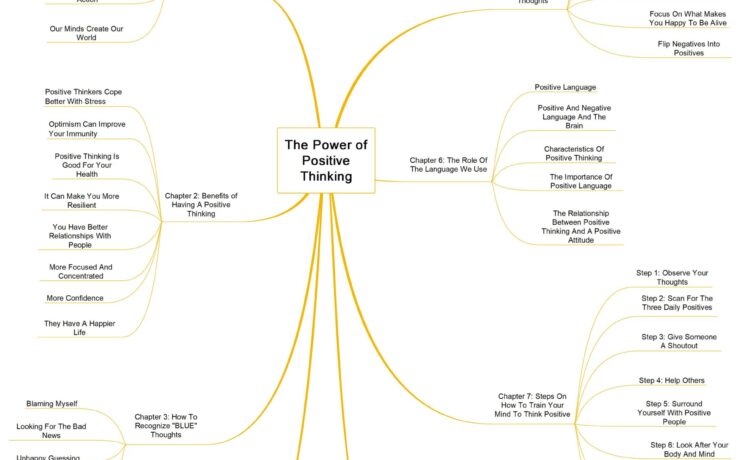
Positive thinking is most useful when it helps you act clearly, not when it denies real problems.

Better communication often starts with fewer assumptions and better follow-up questions.
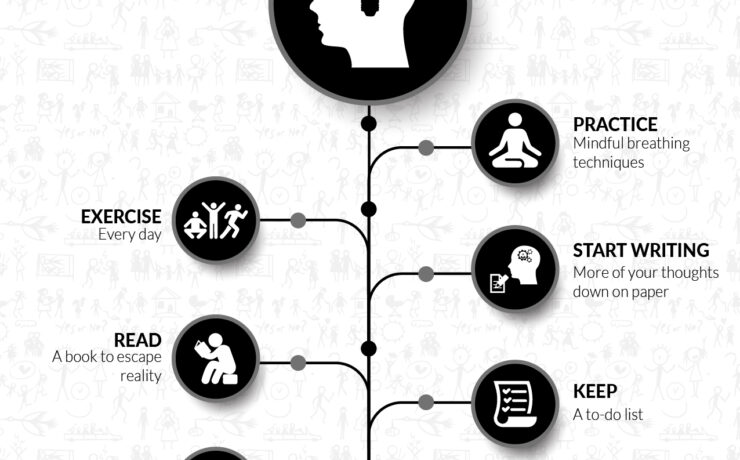
Mental clarity usually returns through simplification: fewer inputs, clearer priorities, and one visible next step.
Happiness is not a constant mood. It is often supported by small choices that make life feel more steady and meaningful.