

Articles
How to Rebuild Motivation When Momentum Is Low
Low motivation does not mean you are lazy. It often means your next step is unclear or too heavy.
Low motivation does not mean you are lazy. It often means your next step is unclear or too heavy.
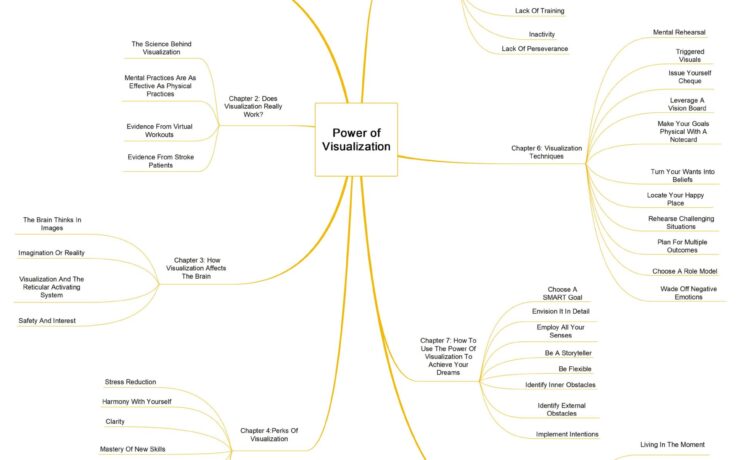
Visualization works best when it prepares you to act, not when it replaces action.

Emotional intelligence is practical: it helps you pause, name what is happening, and choose a better response.

Better sleep often starts with a few boring but powerful habits repeated consistently.

Better relationships are usually built through small repeated choices, not one perfect conversation.

The useful side of attraction thinking is clarity: knowing what you want and acting in alignment with it.

A big task list gets easier when you separate capture, choice, and action.
Happiness is not a constant mood. It is often supported by small choices that make life feel more steady and meaningful.
Debt feels heavier when it stays vague. A calm first step is to make the numbers visible.

Confidence grows when you keep promises to yourself in small ways.